Commercial Waste in Chigwell
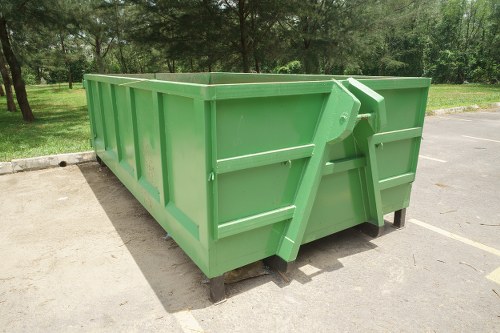
Commercial waste in Chigwell needs a service that is organised, careful and straightforward to use, especially when your business wants regular removal without disruption to customers, staff or opening hours. We provide commercial waste collection and disposal for a range of business premises, with a focus on practical clearances, sensible sorting and reliable handover of materials for the right onward treatment. The aim is to keep business premises clear of accumulated waste while making the process easy to arrange and simple to understand.
Our work covers common non-hazardous commercial waste streams such as general refuse, office clutter, unwanted fixtures, packaging and mixed items that have built up after day-to-day trading, changes of use or refits. Where suitable, we separate items for reuse, recycling or disposal, and we keep the service focused on the waste your premises actually generate. If you need a one-off removal or a planned recurring collection, our approach is designed to keep the process clear from the first enquiry through to final removal.
Ask for a quotation if you need a commercial waste removal in Chigwell that is arranged around your premises rather than the other way round.
Business waste removal for day-to-day operations
Business waste removal is often more varied than simple bin emptying. A single workplace can produce paperwork, broken furniture, packaging, displays, old stock, redundant equipment and general rubbish, all of which may need different handling. Our commercial waste service is built around that mix, with clear removal options for premises that want a tidy, workable space without having to manage the disposal process item by item.
When an office, shop, workshop or other commercial unit is being cleared, the most useful first step is usually to identify what must go, what can stay and whether anything needs special care. A short list is often enough to shape the collection, and photographs can help when the waste includes bulky items or awkward access. If you are gathering details, keep them simple: what needs removing, roughly how much there is and whether the waste is easy to reach. That helps the quote reflect the work properly.
Office waste, files and workplace clearances

Office waste removal needs a careful balance between speed and control. Desks, chairs, pedestals, filing cabinets, partition pieces, boxes, stationery and old equipment can all appear in the same project, and they often need to be removed without scattering dust or creating avoidable clutter. We handle office waste as a planned clearance rather than a rushed dump-and-go job, which makes it easier to work around occupied premises, managed buildings and shared access areas.
For businesses reducing floor space, moving out, or refreshing the workplace layout, office clearances can also include redundant reception items, storage units and miscellaneous items that no longer serve a purpose. Office clearance is a useful option when the job is broader than standard waste collection and needs a more complete removal of unwanted contents. If your project includes confidential paper records, the disposal route should be considered separately rather than mixed in with general waste.
Where paper records must be securely destroyed, confidential shredding provides a more suitable route than ordinary waste removal. That is especially relevant for workplaces dealing with customer details, internal paperwork or archived files that should not be thrown out with mixed refuse. It is best to separate sensitive material at source so that the collection, transport and final handling all match the level of care required.
Retail, storage and mixed commercial clearances
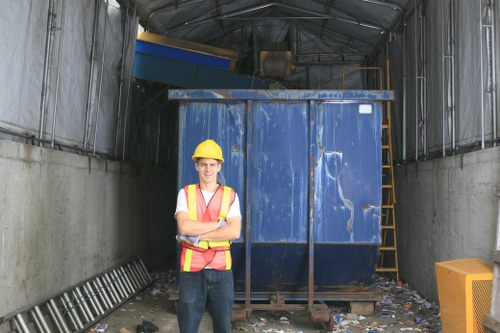
Retail units, storerooms and mixed-use commercial premises often build up waste in layers, rather than all at once. Cardboard, packaging, damaged stock, display parts, shelving components and broken fittings can take over valuable back-of-house space if they are left too long. A well-planned removal clears that congestion and lets the premises return to normal use more quickly. Our commercial waste service is suited to these practical clearances because it can deal with mixed material without forcing everything into one rigid category.
Some items are better removed as a named service because they are bulky, heavy or awkward to move, even when they are part of a wider clearance. For example, if furniture is the main issue, furniture disposal offers a focused route for chairs, tables, cabinets and similar items that have reached the end of their useful life. That can sit alongside general waste removal where a shop or office has both loose rubbish and larger pieces that need separate handling.
For premises with large quantities of seating, soft furnishings or display items, furniture clearance can be the better fit when the priority is to remove the bulk of the contents efficiently. It is usually useful when the waste is still in usable form but no longer required on site. Separating bulky items from loose rubbish can make the job easier to plan and can help the right disposal route be chosen for each material type.
Bulky items, appliances and specialist disposal routes
Commercial sites do not only produce light office waste. They may also need the removal of fridges, freezers, microwaves, washing machines, catering equipment, worn mattresses, sofas or other bulky articles that cannot simply be bagged and taken away with ordinary rubbish. These items can take up space quickly, and in some cases they require a disposal route suited to their materials or construction. We can include those items where the collection and the destination are appropriate for the item type.
If your premises have one or two large items rather than a full clearance, a targeted service can be more efficient than arranging a broader waste collection. A single broken appliance in a staff area, for instance, may be dealt with through fridge and appliance removal, while old seating or reception furniture may be more appropriate for mattress and sofa disposal when those items are the main part of the load. The point is to match the waste to the disposal route, not to overcomplicate the collection.
Businesses sometimes need to clear vehicles or machines out of a back room, cellar or storage bay that has not been used for a while. In those cases, the removal is often about access as much as volume. A clear description of what is present, plus a note on stairs, narrow corridors or loading points, helps shape a sensible quotation and reduces surprises on the day.
How collections are planned and priced

Commercial waste pricing usually depends on the type of items, the amount to be removed, the labour involved and how straightforward the site is to access. A well-organised quotation should reflect the actual work, not just the headline volume, because two similar-looking jobs can differ greatly if one includes heavy furniture, tight stairways or items that need separating by category. That is why clear information at the outset matters more than long explanations or over-precision.
Useful details include the approximate quantity of waste, the kind of materials involved and any practical constraints such as parking, loading distance or restricted access through shared areas. If you are requesting a quote, it helps to be honest about the mix rather than trying to make the load sound smaller or larger than it is. Accurate information leads to a more useful quotation, especially when the collection includes both general rubbish and larger pieces that may need different handling.
If you want to compare service scope before booking, the pages on business waste removal and pricing and quotes are the clearest starting points. They help you understand how a commercial collection is shaped around the material itself and why some loads are straightforward while others require more planning. If you already know the job is ready, a short description is enough to begin the quotation process.
Builders waste and fit-out debris
Commercial waste services are also useful when premises are being altered, refitted or repaired. Builders waste can include packaging, timber offcuts, broken fittings, plasterboard, old flooring, tiled fragments and other remnants of the work itself. This kind of load is usually best handled separately from everyday business rubbish because the materials are often heavier and more varied. Keeping them apart makes both the collection and the disposal route easier to manage.
For projects where the waste is mainly from maintenance or small-scale refurbishment, builders waste clearance is the relevant service page to consider. It is a practical fit for shop updates, office repairs, minor strip-outs and similar work where the waste is generated by the job rather than by normal day-to-day trading. The removal can often be planned around the timing of the works so that the site is not left cluttered between stages.
When waste is mixed with leftover stock, damaged display units or outdated furniture, it is worth deciding whether the load is really a builders’ clearance or whether it is closer to a general commercial clearance with some construction-related items included. That distinction helps keep the collection efficient and prevents unnecessary handling of materials that belong in different streams.
About Chigwell
Chigwell is a settlement in Essex, on the edge of Greater London, known for its long history and its mix of older village character and later suburban growth. The area is recorded in the Domesday Book, which places it among the long-established places in the county, and its name is tied to the landscape of woods, lanes and former agricultural land that shaped much of the district before modern development. Over time, the parish and surrounding roads became more closely connected with London, especially after railway links improved movement into the capital. That connection helped the place grow while still leaving traces of its earlier rural pattern in the layout of roads and open spaces.
Among the most recognisable historic features is St Mary’s Church, which sits within the older core of the settlement and reflects centuries of continuity in the parish. The wider area includes a number of attractive residential streets, local centres and stretches of green space, while the nearby woodland and parkland form part of the character of this eastern fringe of London. Chigwell Row and surrounding lanes show how the district gradually broadened beyond its original nucleus, with different parts of the settlement developing at different times. The presence of open land, mature trees and older buildings gives the area a more layered feel than a simple commuter suburb.
Transport links also shaped Chigwell’s modern identity. The Central line brought the district into easier reach of London, and that helped make the place part of a wider commuter belt while retaining a distinct local identity. Today the name can refer to both the historic village core and the broader surrounding area, so it is useful to think of it as a place with several layers: medieval origins, countryside edges, suburban growth and modern residential life. That mixture is part of what gives Chigwell its character, along with its churches, local roads, green spaces and the way older and newer elements sit side by side.
Garden, outdoor and household-related commercial waste

Some commercial premises also generate outdoor waste that needs a separate route from ordinary office or shop rubbish. Garden waste, broken planters, soil-contaminated material, cut branches and worn outdoor items can arise at hospitality venues, managed properties and business sites with exterior spaces. These materials may be lighter than builders waste, but they still need thoughtful handling because they are bulky, irregular and sometimes mixed with other refuse. A clear commercial collection helps keep exterior areas usable and presentable.
Where the main problem is vegetation or outdoor debris, garden clearance is the most appropriate page to review. For larger domestic-style clearances that are nevertheless relevant to landlords, property managers or businesses dealing with removed contents, house clearance and home clearance may also be useful references when the material is more about contents removal than routine waste. The best option depends on whether the waste is loose, bulky, mixed or tied to a specific clearance type.
Our wider service range also includes flat clearance, garage clearance and loft clearance for situations where the material is stored or accumulated rather than generated daily. Those pages can be helpful when a business, landlord or property manager needs to clear an enclosed space before reusing it. Tell us what needs removing, and we can help you identify the most suitable route.
Recycling, safety and straightforward next steps
Good commercial waste handling is not only about taking items away. It also depends on sorting what can be reused or recycled and treating the rest with care. The practical aim is to move material out of the premises in a way that is suitable for the item type and the setting in which it was found. That is why clear separation of paper, furniture, appliances, mixed rubbish and any sensitive waste is so useful before the collection begins.
If your business is reviewing its broader waste arrangements, the pages on recycling and sustainability and waste removal provide a sensible overview of the kinds of materials handled and the wider approach to disposal. Where safety questions matter, insurance and safety and health and safety policy set out the site-focused considerations that may be relevant before a collection is booked. These are useful reading points when a job involves mixed materials or more complicated access.
If you are ready to make progress, keep the request simple and direct: describe the waste, the location within the premises and the date or window you would like the collection to happen. You can request a quotation once those basics are clear, and that usually gives the quickest route to a practical plan. For bookings and contact details, the final step is to use the enquiry page or send the request through the website.
Booking and service information
For businesses that prefer a digital step-by-step process, the website also includes a direct book online option alongside the main service pages. That can be useful when the collection is already defined and you want to move from enquiry to arrangement without repeating the same details across several messages. It is still worth checking the service description first so that the type of waste, access needs and likely disposal route are clear before you proceed.
Some premises need ongoing waste support rather than a one-off clearance. In those cases, the collection can be shaped around regular operational waste, periodic tidying or occasional bulky-item removal, depending on the site and the volume involved. If the materials are mixed, or if one category dominates the load, it can help to refer to the most specific page first and then explain the rest of the contents in the quotation request. That makes the job easier to assess and avoids guessing.
To move ahead, use the information already on the site, choose the page that best fits the waste you need removed and send a clear request for pricing. If you want a straightforward next step, contact us for a quotation and include the key details of the collection in your message.